


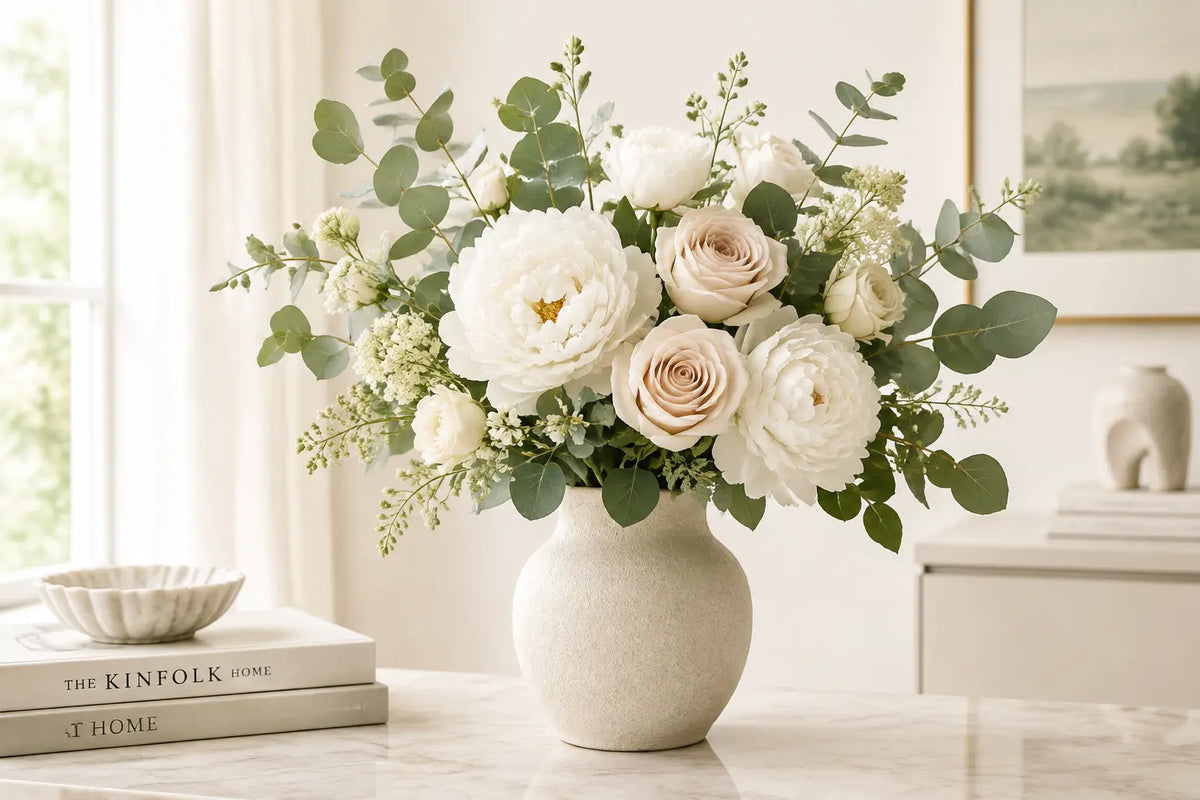
Artificial flowers are a simple way to bring color, texture, and a finished look into a room without the upkeep of fresh stems. For shoppers browsing an ecommerce collection, the best choice usually depends on where the décor will sit, how much visual impact you want, and whether you prefer a single accent or a fuller display. The right faux flowers can blend into everyday interiors, brighten a work area, or help you style a table for special occasions with less effort than arranging fresh flowers each time.
Choosing artificial flowers for your space
Start with the room, not the product page. A small bedside table calls for a quieter arrangement than a wide dining console, and a neutral room can handle more color than one already full of patterned fabrics or bold furniture. Look closely at material quality too: realistic petals, flexible stems, and blooms that hold shape tend to feel more natural at a glance. If you want décor for daily use, choose versatile tones and forms; if you are shopping for a celebration, you can lean into brighter combinations and more decorative styling.
Match flower type to room use
Different spaces call for different visual weight. In living rooms, fuller arrangements often work well because they can anchor a coffee table, sideboard, or TV unit without looking lost. Bedrooms usually suit softer pieces with gentler colors and less height, since the goal is calm rather than drama. Entryways benefit from something welcoming and visible from a distance, such as a taller stem arrangement or a compact but polished bouquet. If you want a statement piece, choose a larger design with volume; for a subtle accent, a smaller cluster can do the job without crowding the surface.
Pick the right size and color
Scale matters as much as style. A large vase filled with a few tall stems can look elegant on the floor or a console, while a low arrangement is usually better for tabletops and shelves. Choose colors that work with nearby walls, curtains, and furniture instead of competing with them. Soft whites, greens, blush tones, and other timeless neutrals tend to adapt easily across seasons, while richer reds, yellows, or mixed shades can be useful when you want something more festive. The best choice is the one that feels balanced in the space before it tries to stand out.
Popular artificial flower styles to browse
Most shoppers browse faux flowers in a few practical formats, and each one serves a different decorating goal. Single stems are best when you want control over the final look, while bouquets make styling faster and more predictable. Potted pieces and greenery add fullness in a way that works well for shelves, corners, and desks. If you are comparing options by budget, think about how much arrangement work you want to do yourself and how polished you need the result to look straight out of the package.
Single stems and custom arrangements
Single stems are ideal when you want to build a display piece by piece. They let you mix bloom sizes, stem lengths, and textures so the arrangement feels personal rather than uniform. This format is especially useful for vases, narrow ledges, and compact spaces where a pre-made bouquet might feel too dense. It also makes it easier to update a room gradually, since you can add a few stems at a time instead of buying a full set all at once.
Bouquets and ready-made displays
Bundled arrangements are the quicker route when you want the décor to look complete with minimal effort. They are helpful for gifting, last-minute room refreshes, and buyers who prefer a coordinated look without trial and error. Because the stems are already grouped, they often suit busy households and anyone who wants the convenience of fresh flowers without the same planning. If you are browsing for a gift or a ready-to-place accent, this category is usually the easiest place to start.
Potted plants and greenery accents
Artificial potted plants and greenery pieces work well when you want shape and fullness more than a specific bloom. They can soften shelves, brighten balcony corners, and fill empty spots that feel a little unfinished. In layered décor, greenery often acts as the quieter supporting piece beside flowers, candles, books, or framed objects. It is a useful add-on for buyers who want the room to feel more lived-in without adding another maintenance task.
Where artificial flowers work best at home
The strongest placements are usually the ones that add structure to a room instead of just decoration. A small arrangement can make a surface feel intentional, while a larger piece can soften a plain corner or create a focal point where the eye naturally lands. Think about tables, shelves, ledges, and entry points first. These are the areas where artificial flowers often deliver the most value because they stay looking neat and do not need regular attention to keep the space feeling styled.
Living rooms and dining tables
Living rooms often benefit from arrangements that sit at eye level or just below it, such as centerpieces on coffee tables or decorative pieces on side tables. Dining tables can use a lower centerpiece that leaves room for conversation and place settings. Pairing faux flowers with a vase, tray, or planter helps the display feel finished. Proportion matters here: the arrangement should support the furniture, not overpower it, so the whole room feels balanced.
Entryways, balconies, and work areas
Entryways are ideal for durable décor because they set the tone as soon as someone walks in. A neat arrangement by the door, on a console, or beside a mirror can make the space feel more welcoming. Balconies and work areas also benefit from low-maintenance pieces, especially when you want color in a functional zone. Even a small greenery accent can soften a desk, shelf, or corner that might otherwise feel plain.
How to style faux flowers naturally
Natural-looking styling is mostly about restraint and variation. Instead of lining stems up evenly, let them fall at different heights so the arrangement has movement. Mix bloom shapes and textures to avoid a flat, artificial appearance. The container matters too, because a vase or planter can either sharpen the look or warm it up. If you want the flowers to feel closer to fresh flowers, leave some breathing room in the arrangement and avoid overpacking the stems.
Use height, shape, and texture
Varying stem lengths is one of the easiest ways to create a more realistic silhouette. Taller stems can rise above the rest, while shorter ones help fill the lower part of the arrangement. Mixing open blooms with tighter buds or leafy branches adds depth and makes the display feel less repetitive. A little asymmetry often looks better than perfect symmetry because it mirrors the irregularity of real flowers.
Choose containers that fit the look
The container shapes the mood before the flowers even do. A simple glass vase feels clean and modern, while ceramic or textured containers can feel warmer and more rustic. Elegant rooms often suit taller, slimmer vessels, while fuller arrangements may need a wider base for stability. If you are using potted styles, choose a planter or pot that matches the amount of greenery so the whole piece feels intentional rather than undersized or crowded.
Why artificial flowers are a practical alternative
For many shoppers, the appeal of artificial flowers is practical as much as visual. They stay in place, do not wilt, and can be reused across different rooms or occasions. That makes them useful for homes that want a polished look without regular replacement. Compared with fresh flowers, faux flowers give up the scent and seasonal freshness, but they often win on convenience and long-term use. They are especially handy when you want décor that can move easily from everyday styling to special occasions.
Low maintenance and long-lasting
Low-maintenance décor matters when schedules are busy or when you want the room to look presentable for longer stretches. Artificial flowers do not need watering or frequent trimming, and they can hold their shape between uses. That makes them practical for recurring styling needs, festive setups, and rooms that are hard to refresh often. For buyers who like the look of floral décor but do not want the ongoing care, this is often the main advantage.
Useful for allergies and gifting
Artificial flowers can be a thoughtful choice in homes where pollen is a concern or where the recipient prefers décor over perishable gifts. They are often suitable for housewarmings, celebrations, and other special occasions because they last beyond the event itself. That makes them useful when you want a decorative gift with staying power. If the goal is to give something reusable and easy to display, faux flowers can be a strong option.
How to care for artificial flowers
Simple care goes a long way toward keeping faux blooms looking convincing. Dust them regularly so petals and leaves do not lose their color and definition. If the material allows, a gentle wipe can freshen the surface, but harsh cleaning should be avoided because delicate finishes can be damaged easily. When the flowers are not in use, store them carefully so the stems keep their shape. A little attention helps the arrangement stay neat and ready for the next season or room update.
Routine cleaning steps
For most pieces, regular dusting is the first step. A soft cloth, feather duster, or gentle brush can work for light buildup. Some materials may tolerate a careful wipe with a barely damp cloth, but always avoid strong scrubbing or soaking unless the product is clearly suited for it. Delicate petals and coated stems can lose their finish if cleaned too aggressively, so the safest approach is usually the gentlest one that still removes dust.
Storage and handling tips
Keep artificial flowers away from direct sun when possible, since prolonged exposure can affect color over time. Store them with care so heavy items do not crush the petals or bend the stems. When moving them, hold the base or stem rather than pulling on the bloom area. If you rotate pieces by season, you can refresh a room without buying all new décor, which makes storage even more worthwhile.
Browse artificial flowers for every occasion
Artificial flowers are easy to adapt across occasions because the same arrangement can feel festive, romantic, or welcoming with a few styling changes. Soft shades work well for calm interiors, while brighter colors suit celebrations and seasonal décor. That flexibility makes faux flowers useful when you want to decorate once and reuse the same pieces in different settings. For shoppers browsing with an event in mind, it helps to think about how the arrangement will look not just on the day, but in the next room or season too.
Seasonal and celebratory decorating
Seasonal colors can quickly shift the mood of a room, whether you are styling for a festival, a dinner at home, or a gift display. Warm shades can feel lively, while muted neutrals keep the look versatile and easy to carry from one occasion to another. Because artificial flowers are reusable, they are helpful when you want a consistent decorating style across celebrations without starting from scratch each time. That practical flexibility is often what makes them worth browsing in the first place.


